|
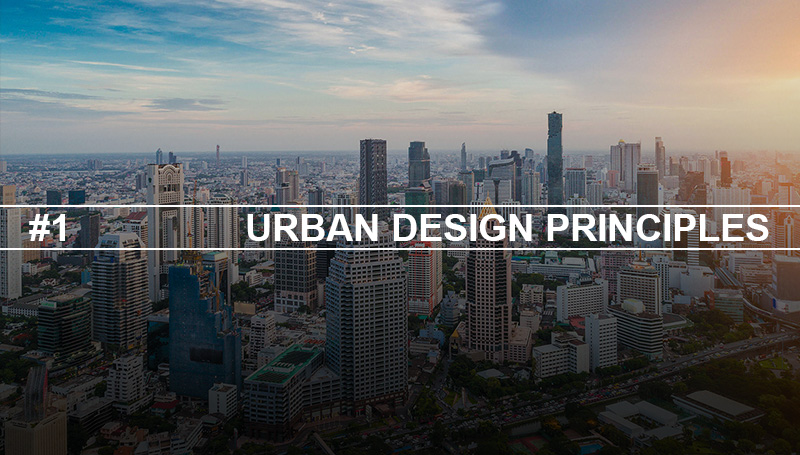
According to the UN, the world is projected to have 43 megacities and an urban population of 4.9 billion before this decade is over. Urban expansion and behavior is shaping how people live, which affects the planning, design, development, and operation of these cities. Factors such as climate change, behavioral change, security, and health threats will require preparation to create happy, healthy, and productive communities in the future.
“Building resilience is an expanding theme in today’s world, with the ability to cope and adapt to challenging and changing circumstances essential to helping cities navigate uncertainties.” The recent disruption of COVID-19 has proven that cities need a level of flexibility to meet such challenges, which can also be used as an opportunity to create lasting, positive change. There is great incentive now for public and private sectors to come together to build even stronger communities than before. Keep reading for the top 10 urban design principles for resilient cities.
|