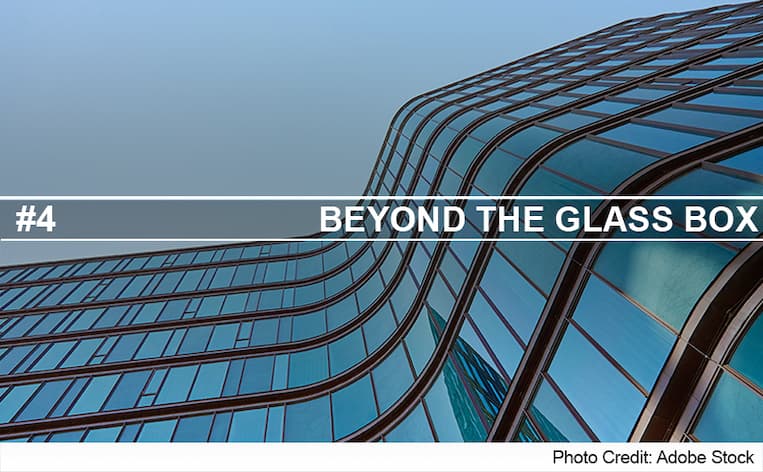
Daylight in a building is known to improve occupant satisfaction, well-being and connection to the outdoors. In this article in Metal Architecture, Alan Scott, FAIA, LEED Fellow, LEED AP BD+C, O+M, WELL AP, CEM, and Elliot Glassman, AIA, NCARB, LEED AP BD+C, CPH, discuss how as buildings have become increasingly transparent, more glass does not necessarily mean better daylighting. As architects look to create healthier, lower carbon and higher-performance buildings, the focus is shifting to optimizing daylight quality through strategies like building performance stimulation.
|